
eBMR Software: Electronic Batch Manufacturing Records
Move from paper batch cards and binders to guided electronic records. Beam MES connects batch execution directly to your materials, weighing scales, machines, and bi-directional traceability — ensuring complete data integrity.
Electronic Batch Execution & Review Suite
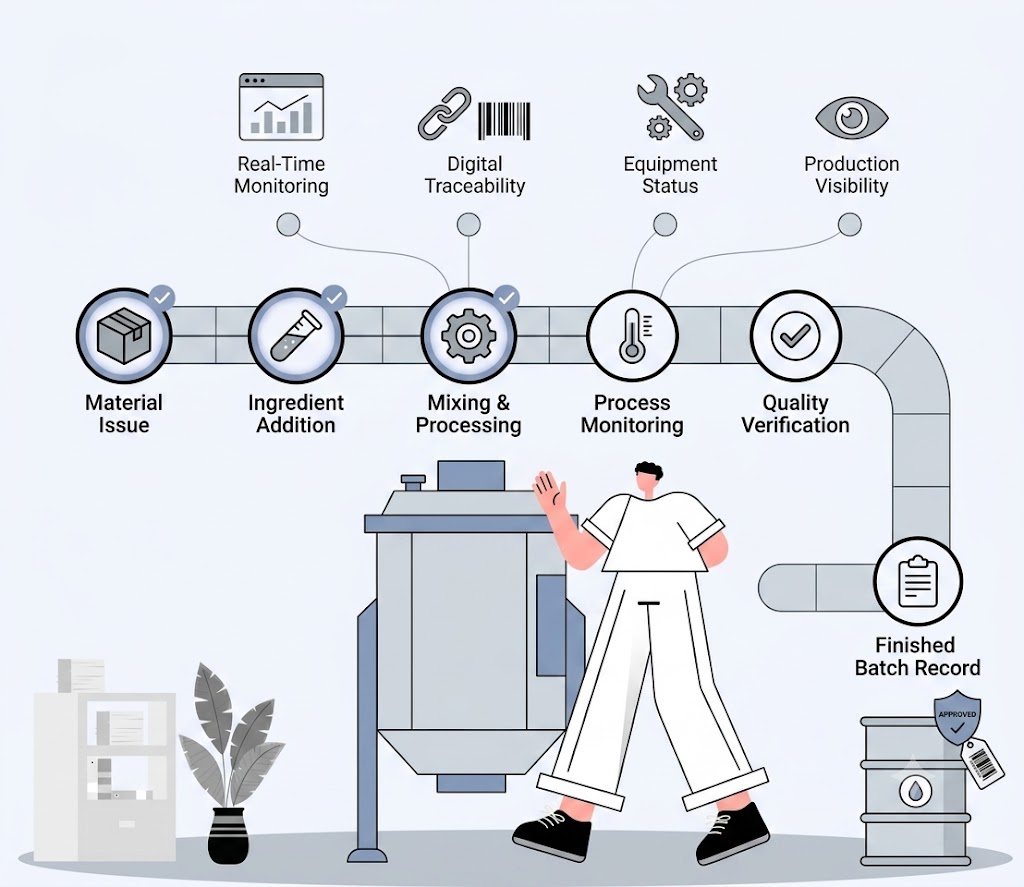
Paper BMR vs eBMR with Beam MES
See the measurable difference between maintaining records on paper versus guided digital execution.
| Process Dimension | Traditional Paper BMR | eBMR with Beam MES |
|---|---|---|
| Data Entry | Handwritten on clipboards, often hours after work is finished | Entered at the point of work on tablets with real-time validation |
| Machine Readings | Copied manually from gauges; subject to rounding errors | Captured automatically via OPC UA directly into the batch record |
| Mistakes & Errors | Found at batch review days later, or missed entirely | Prevented at entry through mandatory fields and strict tolerance limits |
| Process Sequence | Relies entirely on operator memory and manual discipline | Enforced step-by-step; subsequent steps unlocked only on completion |
| QA Batch Review | QA manually reads 50–200 pages line-by-line before release | Review-by-exception highlights deviations and open items instantly |
| Traceability | Days spent digging through paper storage boxes | Bi-directional genealogy linked to materials, machines, and lots in seconds |
| Audit Trail | Pen cross-outs, initials, and unverifiable notes in margins | Immutable, time-stamped digital audit logs with reasons-for-change |
How an eBMR Works in Beam MES
From Master Batch Record creation through guided execution, machine logging, and final QA release.

Master Batch Procedure & Template Setup
Digitise your Master Batch Record (MBR) into a controlled, versioned electronic template. Define mandatory process phases, required fields, tolerance limits, and formula calculations.
Strict engineering change control: every template revision requires multi-tier author, reviewer, and QA sign-offs before publication, ensuring unapproved changes can never reach the shop floor.
Complete eBMR Feature Architecture
Examine the detailed functionality engineered to give plant teams end-to-end digital batch control.
Master Batch Procedure & Template Setup
Digitise your Master Batch Record (MBR) into a controlled, versioned electronic template. Define mandatory process phases, required fields, tolerance limits, and formula calculations.
Strict engineering change control: every template revision requires multi-tier author, reviewer, and QA sign-offs before publication, ensuring unapproved changes can never reach the shop floor.
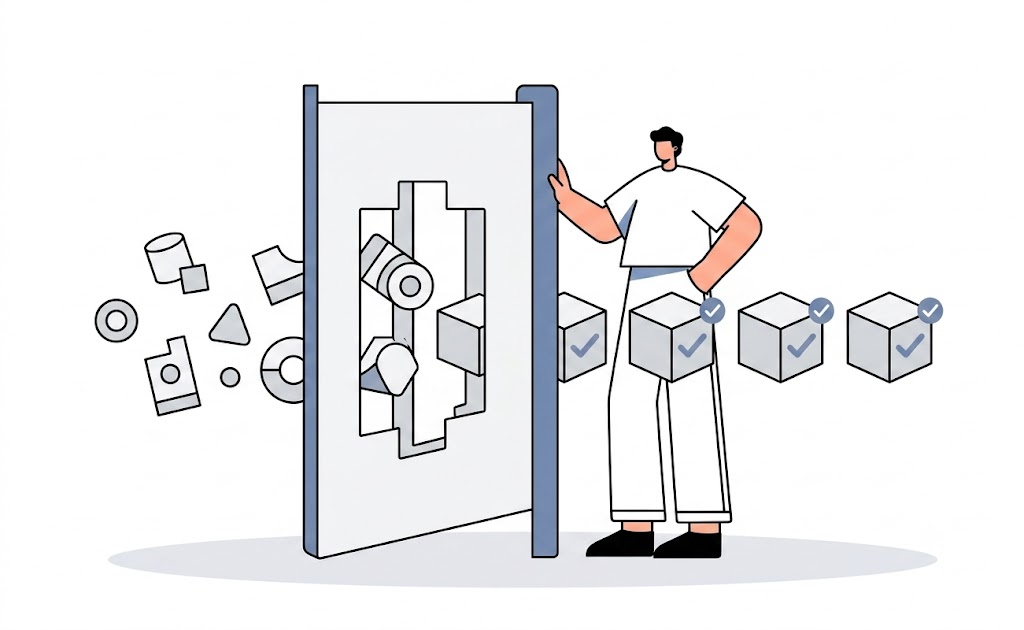
Guided Step-by-Step Execution Workflows
Operators execute batches step-by-step on rugged industrial tablets and cleanroom terminals. The system enforces required sequences so steps cannot be skipped or completed out of order.
Interactive prompts guide the operator: verified additions, equipment sanitation checklists, and mandatory readings must be completed before the system unlocks the next procedural phase.
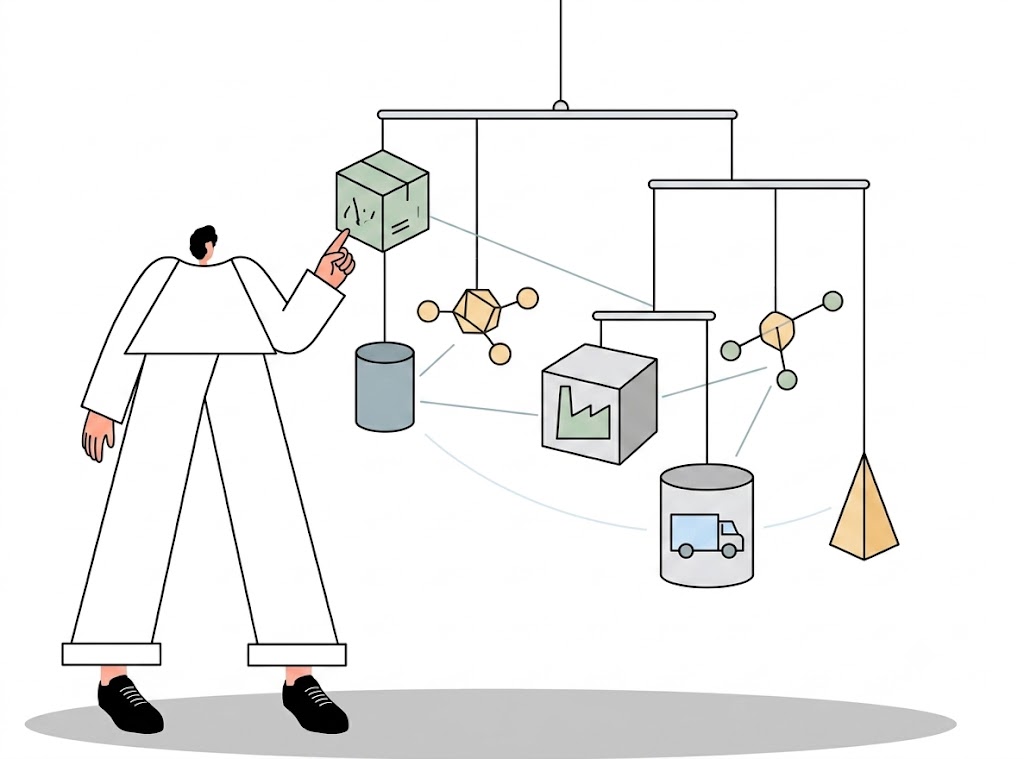
Point-of-Use Material Verification & Staging
Prevent the wrong ingredient, incorrect lot, or off-spec quantity from ever entering a batch. Operators scan barcodes on raw containers to verify against the active recipe BOM.
Direct weighing balance integration captures true dispensed weights automatically, preventing manual rounding and typing errors during formulation.

Automated Equipment & Sensor Data Capture
Connect directly to machines via OPC UA, SCADA, and PLC integration. Process readings like reactor temperatures, agitation speeds, and vacuum levels land straight in the eBMR.
Eliminate clipboard logs and manual gauge readings: continuous process data is contemporaneously time-stamped and permanently attached to the batch record.

Review-by-Exception & Fast QA Release
Empower QA leaders to release batches in minutes rather than days. Instead of reading hundreds of pages of normal batch records line-by-line, the system highlights exceptions first.
Review-by-exception surfaces all out-of-limit entries, aborted steps, temperature excursions, and supervisor overrides into a consolidated QA release cockpit.

Searchable Digital Archival & Audit Trails
Archive complete electronic batch records in an immutable, tamper-evident digital repository. Be ready for any regulatory or customer inspection in seconds.
Every batch record carries complete chronological history: who logged in, what values were entered, which balances were used, and exact reasons logged for any parameter modification.
What to Look for in eBMR Software
Use this checklist when evaluating electronic batch manufacturing systems for your plant.
Guided Execution
Mandatory fields, tolerance limits, and sequence enforcement prevent skipped steps.
Audit Trail & E-Signatures
Attributable user logins with time-stamped change history compliant with 21 CFR Part 11.
Point-of-Use Material Control
Barcode scanning and digital scale integration prevents incorrect lot usage.
Machine & Sensor Telemetry
OPC UA, SCADA, and balance data flow into the batch record without manual typing.
Bi-Directional Genealogy
Connects genealogy with the record: trace backward to raw lots and forward to shipments.
Review-by-Exception Cockpit
Accelerates QA sign-off by highlighting deviations and out-of-spec readings immediately.
Frequently Asked Questions
Key considerations when adopting eBMR software in Indian and global manufacturing plants.
What is eBMR software?
eBMR (Electronic Batch Manufacturing Record) software is the digital replacement for paper batch cards and production sheets. It provides guided execution for shop-floor operators, captures real-time data from machines and balances, and stores an immutable, compliant electronic record of how every batch was produced.
What is the difference between BMR and eBMR?
A BMR is the traditional batch manufacturing record maintained on physical paper. An eBMR is the same record in guided digital form, incorporating automated tolerance checks, electronic signatures, time-stamped audit trails, and direct machine connectivity.
What is the difference between eBMR and an MES?
eBMR is the specific module that executes and records the batch instructions. A Manufacturing Execution System (MES) is the broader plant platform that encompasses eBMR along with material warehouse staging, equipment maintenance, SCADA integration, laboratory QC workflows, and real-time plant monitoring.
Is eBMR software relevant for chemical plants in India?
Yes. While commonly referred to as 'BMR' in pharma, chemical and polymer plants use eBMR as electronic batch cards or batch sheets to eliminate manual math errors, control catalyst sequencing, and ensure bi-directional lot genealogy across blends and rework.
Can eBMR connect with our existing balances and SCADA systems?
Yes. Beam MES connects directly with industrial weighing scales, barcode scanners, PLCs, and SCADA architectures through open standards like OPC UA, ensuring zero manual transcription during dispensing and processing.
Can we start with a pilot on one production line?
Yes. Most manufacturers begin by digitising a single reactor line or formulation train to prove operator adoption and QA acceleration before rolling out across multiple plant blocks.
Explore Related Solutions
See how eBMR connects with the wider Beam MES ecosystem.
Ready to Replace Paper Batch Records?
Eliminate manual transcription errors, enforce strict standard operating procedures, and release batches up to 3.5x faster with Beam MES eBMR.